The Edge-to-Core Lifecycle
Why Three Vendors Become One Outage
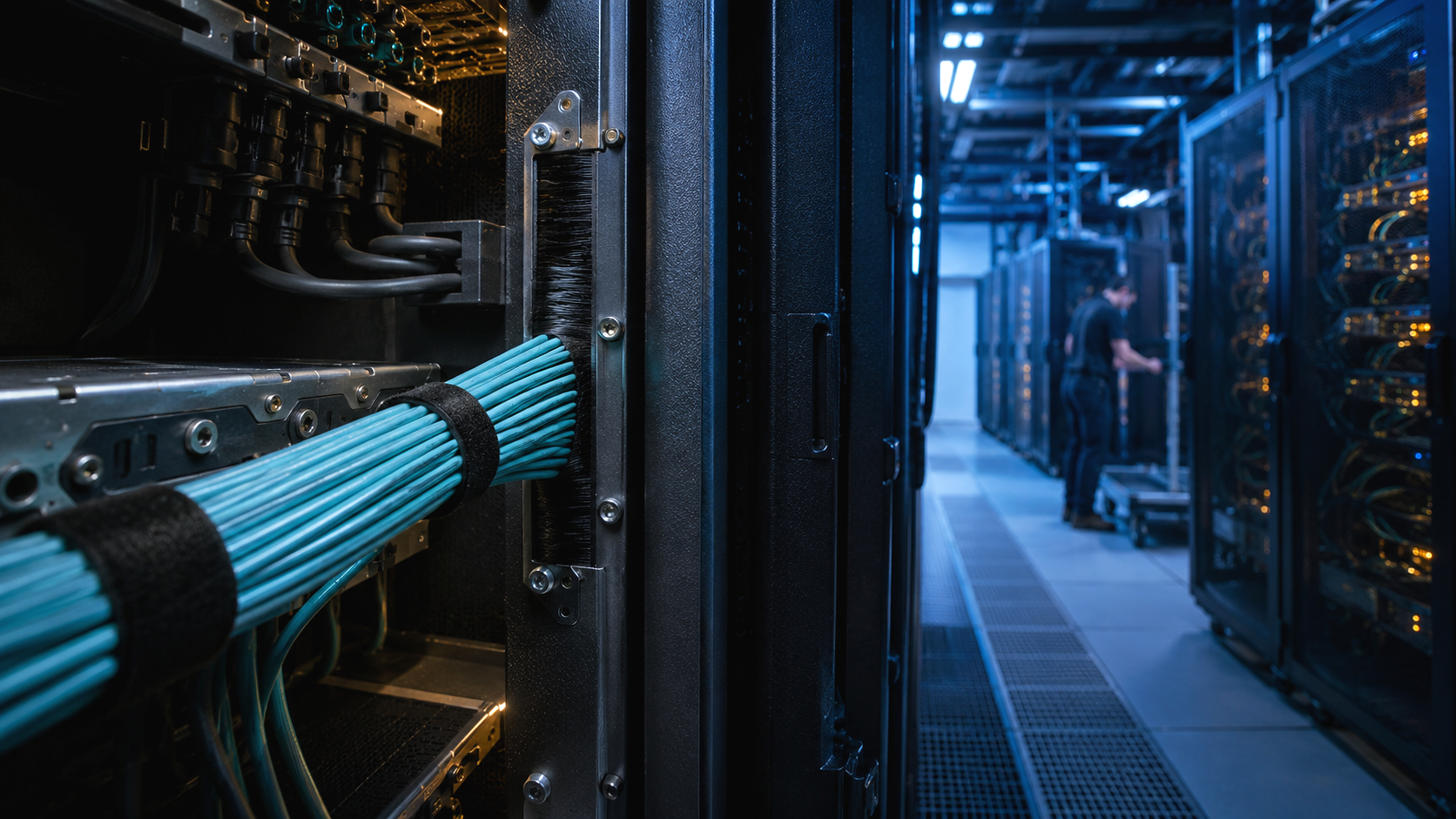
An operator's case for single-source deployment — and the seams where siloed media-infrastructure projects actually fail.
Every infrastructure project I've watched go sideways had the same tell. Not a bad product. Not a bad design on paper. A seam. The place where one vendor's scope ended and another's was supposed to begin, and the handoff quietly dropped on the floor.
I spent 20+ years in Pro AV before I moved onto a team selling data-center-grade infrastructure into broadcast, CDN, stadium, and corporate media customers. Different scale, same lesson, learned the hard way: the build almost never fails inside a vendor's box. It fails between the boxes.
That seam is getting more expensive, fast. Media infrastructure is converging onto the same physical foundation as the modern data center: fiber, power, cooling, rack density, precision timing. And the density is climbing. A single AI rack can pull anywhere from 100 to 600 kilowatts, far past what traditional power and thermal design ever planned for. When the physical layer gets that demanding and the timelines get that compressed, the gaps between vendors stop being annoyances. They become outages.
The seam is where projects die
Picture a typical build run the "best-of-breed" way. One contract for the fit-out: power, containment, cooling. A second for rack integration. A third for cabling and transport. Each scoped tightly to its own statement of work. Each team excellent at its piece.
Then commissioning day arrives, and something doesn't line up. The PDU phasing assumes a layout the rack integrator changed. The cold-aisle containment was specced before anyone knew the final rack depth. The fiber dressing is clean but it's choking the airflow path. Every vendor is right inside their own scope. And every one of them is pointing at the next.
The customer owns that gap. Always. The real cost isn't even the rework, it's the calendar. In a data center, a slipped date is painful. In media, the calendar is a live event, a launch window, a season opener. You cannot move a Sunday kickoff because a containment panel didn't match a rack spec.
Media makes the seams less forgiving

Broadcast, CDN, and live-venue work pile on constraints that AV-native, and even a lot of IT-native, teams underweight.
Timing is not negotiable. IP production lives on precision sync. PTP has to be right end to end, and "end to end" runs straight through every one of those vendor seams.
The uptime window is fixed by the event, not the project plan. There's no maintenance weekend when the maintenance weekend is the game.
Density is showing up in rooms never built for it. Edge cache nodes, stadium head-ends, broadcast IP cores, increasingly sitting in spaces that were never designed as data centers, now carrying data-center heat and power loads.
This is the part of the story most media coverage skips. Everyone wants to talk about the codec, the cloud playout, the streaming model. Far fewer people are honest about the physical layer underneath it, and that layer is exactly where siloed deployment leaves the customer exposed.
What single-source actually buys you
The lazy version of this argument is "fewer invoices" or "one throat to choke." That's not it.
What a unified, single-source model actually buys is accountability that doesn't evaporate at the seam. One party owns the path from site assessment through design and engineering, power and cooling fit-out, rack-and-stack, structured cabling, integrated testing, and into lifecycle and day-two support. The major infrastructure providers, the side of the business I now sit next to, describe this publicly as exactly that kind of end-to-end data center deployment model: site assessment through testing, with the racks built, imaged, cabled, burned in, and tested before they ever roll into place.
The point of consolidating isn't convenience. It's that someone owns the integration risk, the risk that lives in the gaps no single SOW covers.
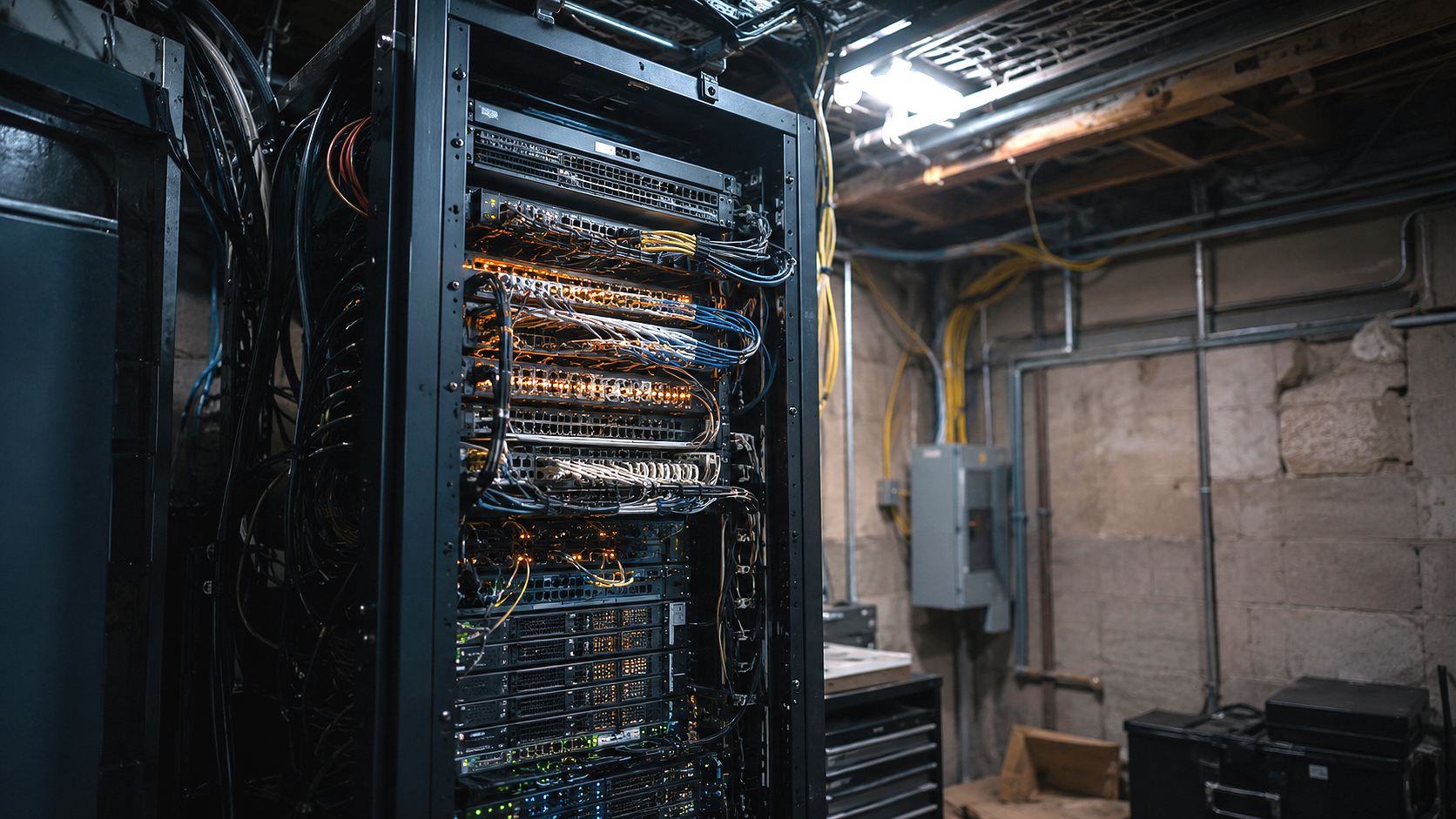
The operator's gut-check
Before you sign three contracts, run the build through four questions. Save these.
Who owns the seams? Name the party accountable for the handoff, not just the scope on either side of it. If no name comes up, that's your answer.
Who sequences the calendar? Someone has to own the order of operations across every trade. If it's an internal PM stitching together three vendors' Gantt charts by hand, you've taken on the integration risk yourself.
Who tests it as an integrated whole — not in isolation? Each vendor will certify its own work. The failures show up in the system, not the component. Make sure one party validates the whole.
Who owns it on day two? Deployment is a moment. Operations is a decade. If the people who built it disappear at handover, the seams just move into production.
If the honest answer to any of those is "the customer figures that out" — you didn't buy a solution. You bought a silo.

The reframe
Single-source isn't automatically right. Sometimes a genuinely best-of-breed mix wins, and a strong internal program team can absorb the integration risk on purpose. That's a legitimate call.
But it should be a deliberate call, made with the seams in full view, not a default you back into by signing the three easiest contracts first and discovering the gaps on commissioning day.
The build doesn't fail inside the boxes. It fails between them. Decide, up front, who owns the in-between.